
Congreve Clock Build Plans
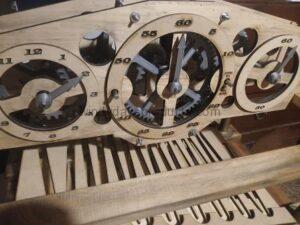
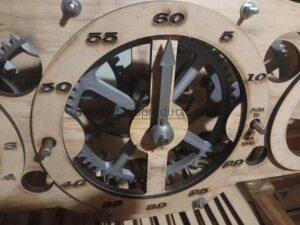
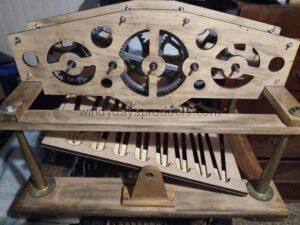
Invented in 1808 by Sir William Congreve, the Congreve Ball Clock is a mechanical timepiece that replaces the conventional pendulum with a small metal ball rolling along a zigzag track on an inclined platform.
This wooden model works in a slightly different way than the original model. Here, the escapement is replaced by a stepper motor.
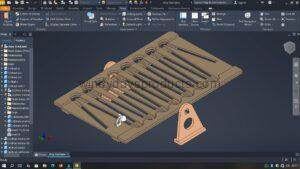
When the ball reaches the end of the track, It hits the contact that activates the stepper. This advances the hands forward, advances the seconds indicator, and flips the tilt angle of the tray so the ball rolls back in the opposite direction.
The best part: you can easily build this clock yourself with these comprehensive plans.
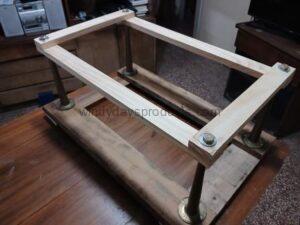
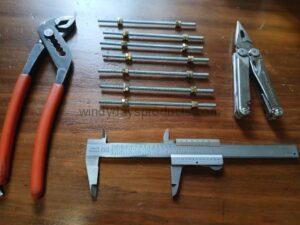
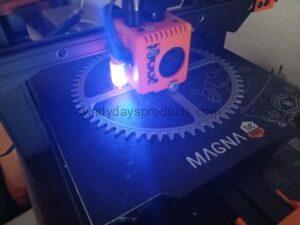
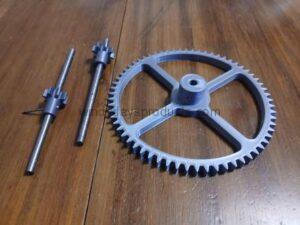
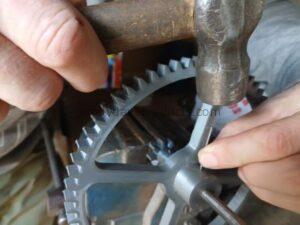
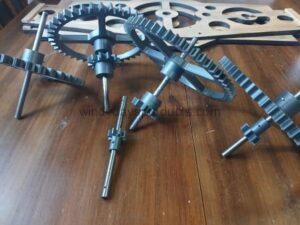
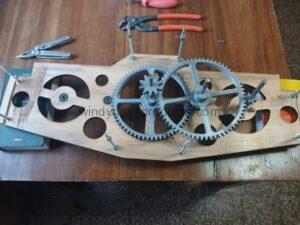
The Congreve ball clock is a mesmerizing timepiece which turns physics itself into a visual spectacle. What truly captivates any mechanics enthusiast is observing the contrast between the slow, fluid motion of the steel sphere patiently navigating the zigzag track and the sudden, almost dramatic kinematic response at the end of each pass: the exact moment the ball hits the contact, completes the circuit, and triggers the stepper motor to instantly invert the incline of the tray.
It is a fascinating reimagining of the traditional escapement that openly displays the gear train’s logic and the technical elegance of a mechanism where linear motion, electrical control, and gravity intertwine in a perpetual, uninterrupted rhythm.
I’ll give you the detailed building plans, 3D printing files, laser cutting files —everything you need to build your own Congreve ball clock. Plans are clear and very easy-to-follow.
I look forward to helping you with your project. If for any reason during construction you have a question, just email me.
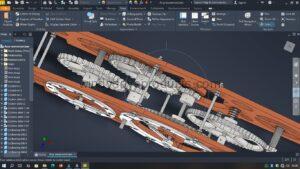
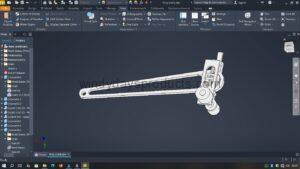
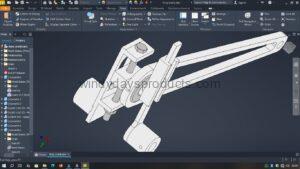
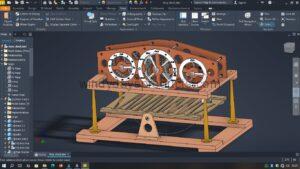
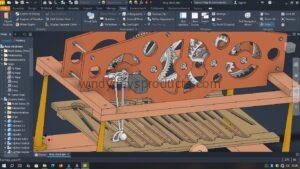
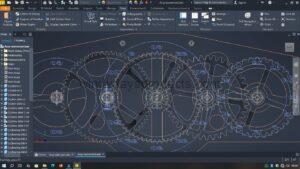
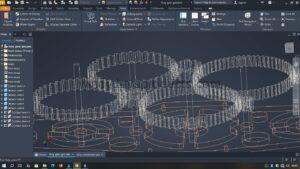
Key Features
- Hypnotic Mechatronic Motion: A modern take on Sir William Congreve’s 1808 classic. The smooth, rolling sphere triggers an electrical contact at the end of the track, signaling the stepper motor to instantly flip the tray’s incline.
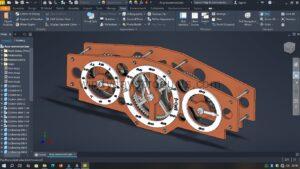
- Open Kinetic Display: Designed specifically to showcase every moving part, exposing the interaction between mechanical motion, gravity, and electronic control.
- Continuous Desk Companion: Powered via a standard 5V (USB), eliminating the need for heavy counterweights or constant manual rewinding.
Get the Congreve Clock Build Plans!
Get the Congreve Clock complete build package:
- Detailed construction plans (PDF) with detailed exploded-assembly diagrams, lists of materials and hardware specs.
- Production-ready DXF vector files for laser cutting.
- 3D STL files for printed components.
- Custom Arduino code & stepper motor wiring schematic.
The build plans and files for this project are currently being finalized. They will be available shortly.
Ingenious, Kinetic, Hypnotic..!

Why Build This Version?
- Forgiving Fabrication Tolerances: Traditional Congreve clocks require extreme horological precision that often jams 3D-printed or laser-cut parts. Releasing the escape wheel via an electrical contact drastically increases mechanism reliability.
- Accessible Off-The-Shelf Parts: Designed around standard, low-cost electronics (Arduino, standard stepper drivers, and hobby motors) and off-the-shelf hardware, keeping overall project costs minimal.
- Acoustic Dampening: Wood naturally absorbs vibration and dampens mechanical noise, resulting in a much quieter, smoother roll along the track compared to all-metal or fully plastic structures.
- Warm, Furniture-Grade Aesthetic: A wooden chassis elevates the clock from a simple mechanical prototype to an elegant, heirloom-quality decorative desk piece that fits seamlessly into living rooms, offices, or workshops.
- Rapid Fabrication & Easy Finishing: Laser-cut wood allows for precise assembly right out of the machine, while offering complete freedom to stain, varnish, paint, or custom-finish the surfaces to suit any interior style.
- Eco-Friendly & Accessible Sourcing: Plywood and MDF sheets are widely available, inexpensive, and sustainable materials that keep project costs low while remaining extremely easy to glue, sand, and repair if needed.
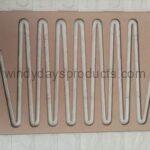
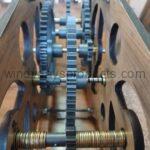
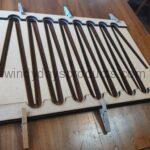
Note for Builders: This project combines 3D-printed parts and laser-cut wooden elements. Access to a 3D printer and a laser cutting service (or desktop machines) is required to fabricate the physical components.